GreenLetter XII: Building Climate Resilience Through Thermal Comfort and Cool Roofs
Extreme heat is pushing India's most vulnerable communities to the edge. GreenTree's thermal comfort programme across Nagpur, Bhubaneswar, and Puri demonstrates how low-cost passive cooling interventions
Protecting vulnerable communities from extreme heat through building-level and city-scale interventions
PART A: GREENTREE UPDATES & HIGHLIGHTS
Project Highlight
Thermal Comfort Improvement Programme for Economically Weaker Section (EWS) Communities | Featured Site: Nagpur | Programme Cities: Nagpur, Bhubaneswar and Puri
Project Overview
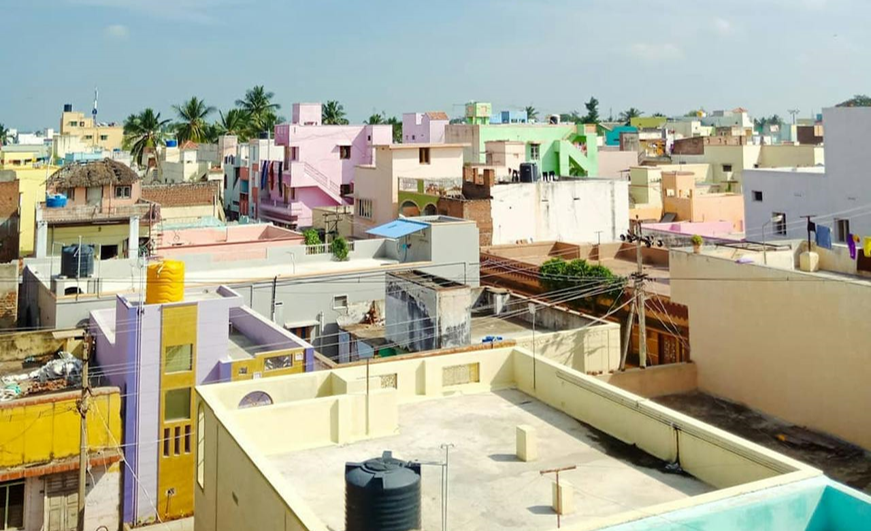
Extreme heat is emerging as one of the most severe climate risks facing Indian cities. EWS households are particularly vulnerable due to inadequate housing materials, poor ventilation, limited green cover, and restricted access to mechanical cooling.
GreenTree implemented thermal comfort improvement measures in selected EWS communities across 3 cities - Nagpur, Bhubaneswar & Puri to demonstrate how low-cost passive cooling solutions can significantly improve indoor comfort and reduce heat stress.
The programme establishes a replicable model for scaling building-level thermal interventions across diverse urban contexts in India. Outcome data from the Nagpur site is presented here as the initial evidence base, with findings from Bhubaneswar and Puri to follow.
Key Activities
- Baseline thermal assessment
- Surface temperature monitoring
- Identification of heat gain pathways
- Cool roof coatings and insulation measures (bubble-wrap insulation, PUF panels)
- Ventilation and cooling systems (exhaust fans, tower fans, BLDC equipment)
- Community awareness programmes
- Post-intervention monitoring
Key Outcomes
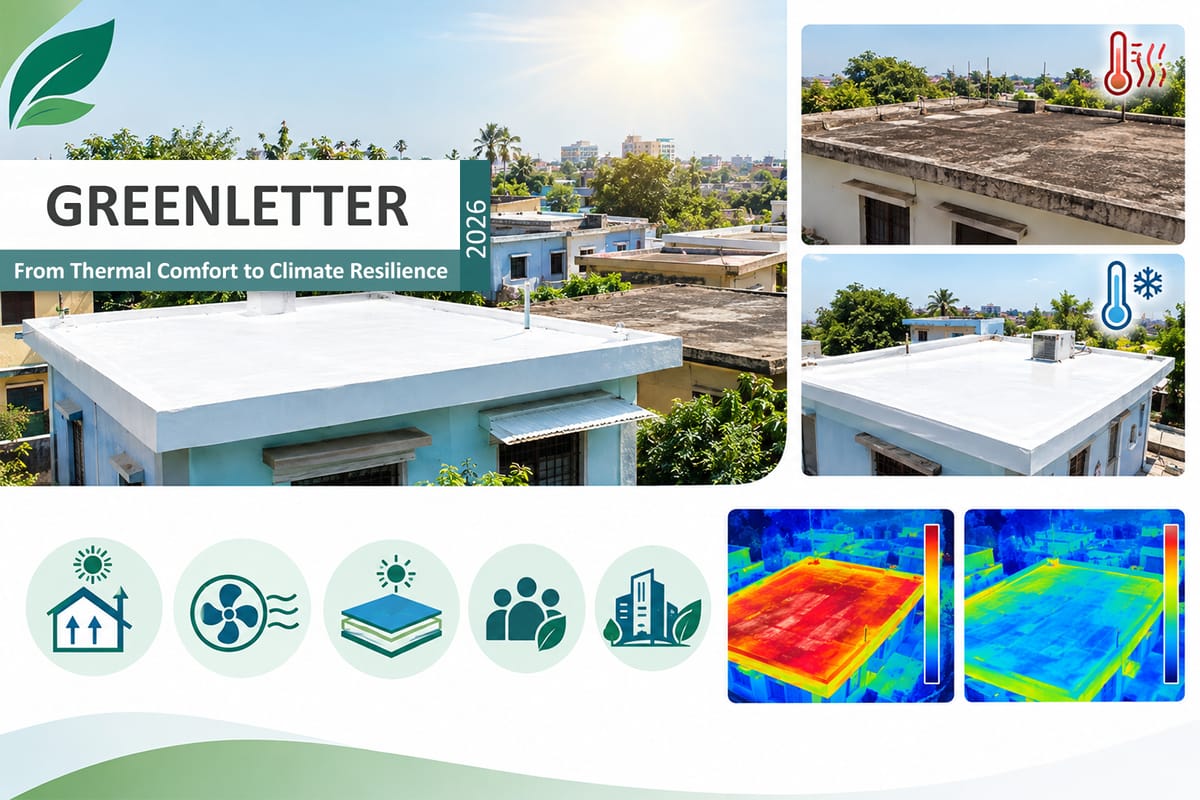
- Roof surface temperature reduced by 32.7°C during peak summer conditions (from 66.2°C to 33.5°C) as shown in the image below.
- Indoor temperature reduction of approximately 2–5°C
- Improved thermal comfort for occupants
- Reduced exposure to heat stress
- Enhanced resilience during extreme heat events
Strategic Significance
The project demonstrates how affordable passive cooling measures can support adaptation strategies for vulnerable populations and contribute to India's broader climate resilience objectives.
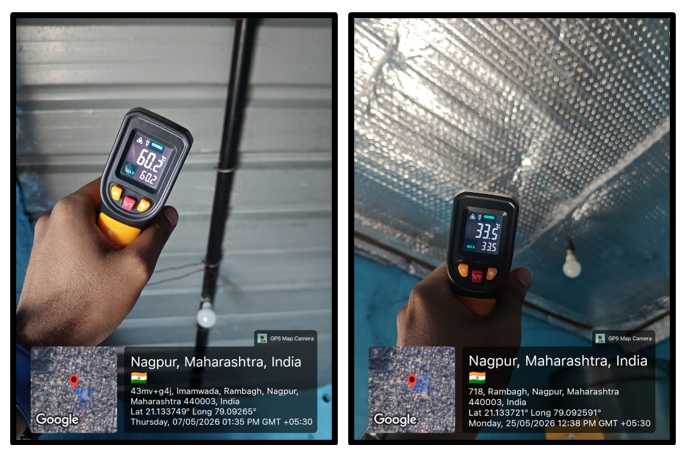
Note: Comparative roof surface temperature measurements indicated temperatures of 66.2°C (07 May 2026) and 33.5°C (25 May 2026), representing a 32.7°C difference; however, the measurements were taken under different ambient conditions and should be interpreted as indicative rather than a controlled before–after comparison.
Impact Dashboard
| Indicators | Achievement |
|---|---|
| Target Installations Across 3 Cities | Nagpur, Bhubaneswar, Puri |
| Households Benefitted | 80 |
| Roof Area Treated | 80–500 sq. ft per household |
| Surface Temperature Reduction | Up to 32.7°C |
| Indoor Temperature Reduction | 2–5°C |
| Citizens Reached | 300–400 |
PART B: FEATURED ARTICLE
Thermal Comfort for Affordable Housing: Why India's Heat Challenge Must Start at the Roof
1. Background and Context
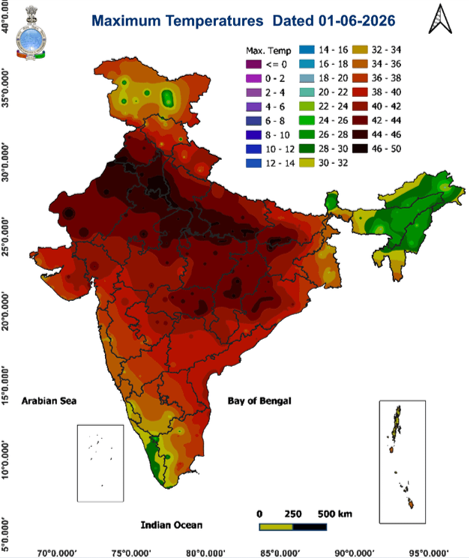
India is experiencing increasingly frequent, intense, and prolonged heatwaves. According to the India Meteorological Department (IMD), several regions have witnessed record-breaking temperatures in recent years, placing millions of urban residents at risk.
While heatwaves are often measured using ambient air temperatures, the actual thermal conditions experienced by residents inside buildings can be substantially worse. Poorly insulated roofs and walls absorb solar radiation throughout the day and continue releasing heat during the night.
For vulnerable populations living in affordable housing, informal settlements, and EWS communities, this phenomenon creates a continuous cycle of heat exposure that directly affects health, productivity, and quality of life.
2. Understanding Thermal Comfort
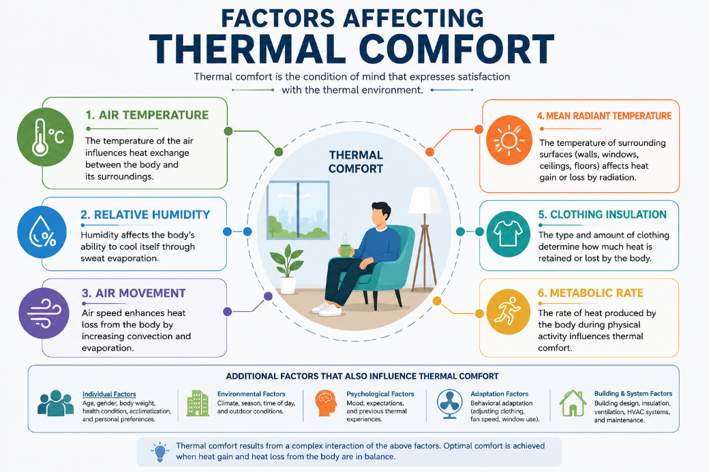
Thermal comfort refers to a condition where occupants feel neither too hot nor too cold. According to international standards such as ASHRAE 55, thermal comfort depends on:
i. Air temperature
ii. Mean radiant temperature
iii. Relative humidity
iv. Air velocity
v. Clothing insulation
vi. Occupant activity level
In Indian affordable housing, thermal discomfort is primarily driven by:
- High roof heat gain
- Poor ventilation
- Dense urban development
- Limited vegetation
- Inadequate building materials
3. Why Affordable Housing Faces the Greatest Risk
The urban poor often reside in structures constructed using:
- Uninsulated RCC roofs
- Corrugated metal sheets
- Thin masonry walls
- Low-reflectance surfaces
These materials absorb significant amounts of solar radiation.
Consequently:
- Indoor temperatures rise rapidly.
- Night-time cooling becomes difficult.
- Occupants experience prolonged heat exposure.
The impacts extend beyond discomfort and carry measurable consequences for health, economic productivity, and household energy expenditure:
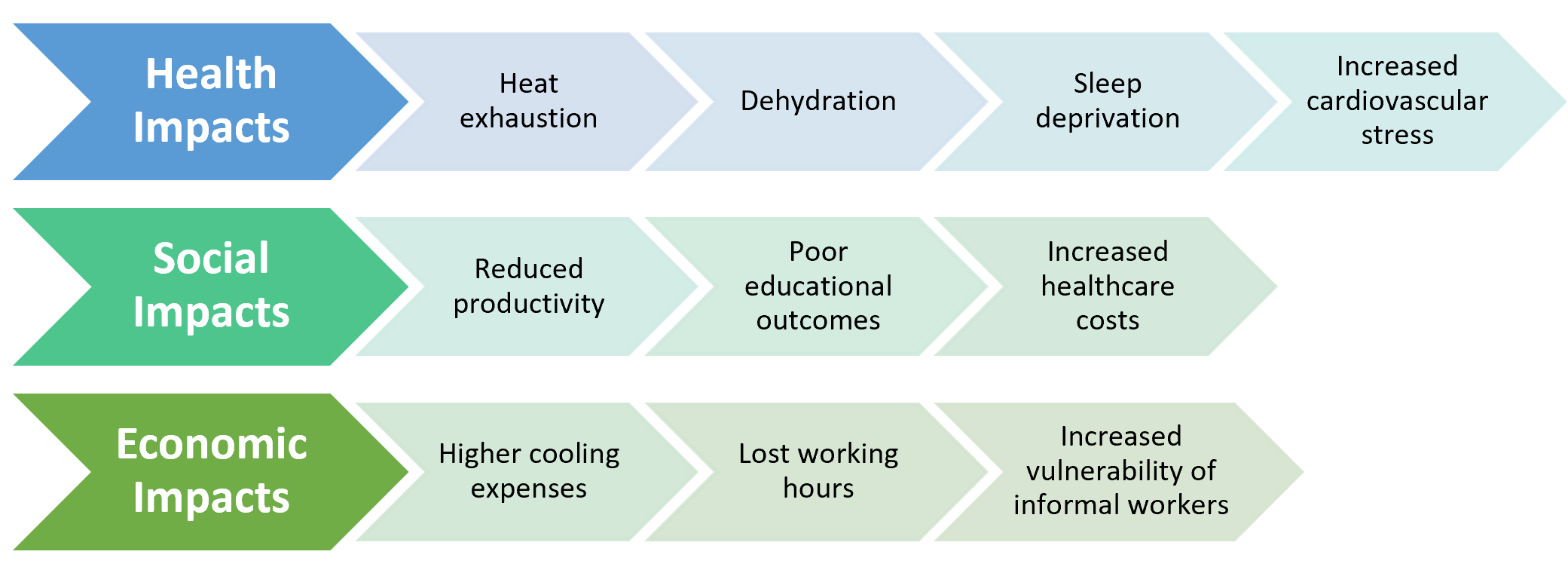
a. Heat-related illness and mortality: Prolonged indoor heat exposure is directly linked to heat exhaustion, heat stroke, dehydration, and cardiovascular stress. The elderly, infants, pregnant women, and outdoor workers are disproportionately affected.
b. Sleep deprivation: Elevated night-time indoor temperatures, a direct consequence of stored daytime heat, disrupt sleep patterns, compounding the cumulative health impact of heat stress over multi-day heatwave events.
c. Lost productivity: Exposure to extreme heat has been shown to reduce labour productivity and work capacity, particularly among outdoor and manual workers. Improving thermal comfort in homes can support worker recovery and resilience during heatwaves, potentially mitigating some of the broader productivity impacts associated with heat stress.
d. Forced cooling expenditure: Even in EWS households with limited resources, extreme heat drives expenditure on fans, coolers, and electricity costs that consume a disproportionate share of household income and frequently result in debt.
e. Learning outcomes: Children in thermally stressed homes demonstrate measurably reduced concentration and academic performance during summer months, with long-term consequences for educational attainment.
4. Cool Roofs: A Simple Yet Powerful Solution
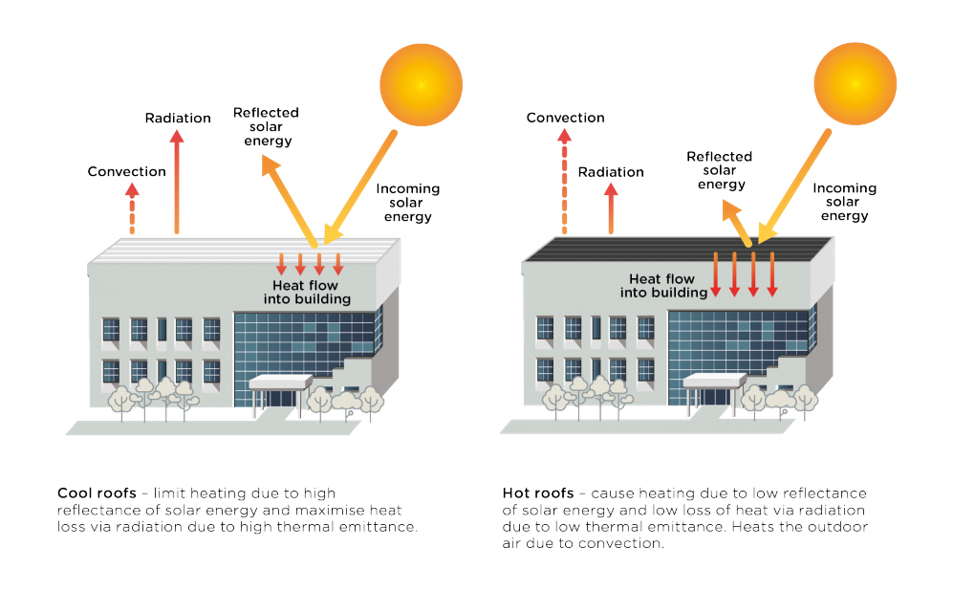
Among all passive cooling strategies, cool roofs remain one of the most cost-effective. Cool roofs work through two interconnected physical mechanisms:
a. Solar Reflectance: Conventional roofing materials — uninsulated RCC slabs, corrugated metal sheets, and dark tar surfaces — absorb 80–95% of incident solar radiation, converting it directly into heat that conducts into the building interior. Cool roof coatings and materials are formulated with high solar reflectance (SR) values of 0.65–0.85, meaning they reflect the majority of solar energy back into the atmosphere before it can enter the building envelope. This single intervention is responsible for the majority of measurable indoor temperature reduction.
b. Thermal Emittance: Beyond reflectance, cool roof materials are engineered for high thermal emittance (TE of 0.85–0.92), which governs how efficiently a surface re-radiates any absorbed heat as infrared radiation rather than storing it in the roof structure. A high-emittance surface cools rapidly after sunset, breaking the cycle of nocturnal heat release that keeps indoor temperatures elevated through the night — a critical benefit for residents who have no mechanical cooling.

Together, these properties are captured in the Solar Reflectance Index (SRI), the primary performance benchmark. A standard white cool roof coating achieves an SRI of 90–110, compared to 0–10 for a conventional dark roof surface.
Benefits include:
- Reduced roof surface temperature
- Reduced indoor temperature
- Improved occupant comfort
- Reduced cooling energy demand
- Lower greenhouse gas emissions
Studies conducted globally indicate roof surface temperature reductions of up to 20°C under peak solar conditions.
5. The Urban Heat Island Effect: A City-Wide Challenge
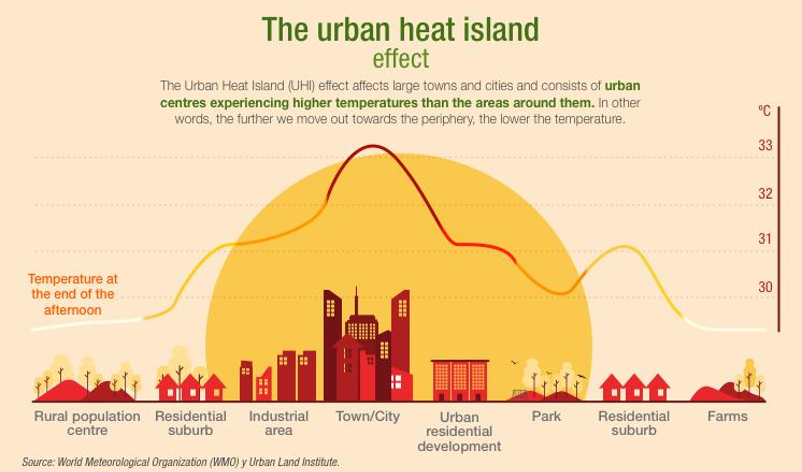
Building-level interventions alone are insufficient if cities continue to trap heat. Urban Heat Island (UHI) occurs when urban areas become significantly warmer than surrounding rural areas due to:
- Dense construction
- Dark surfaces
- Reduced vegetation
- Waste heat from buildings and vehicles
In many Indian cities, observed UHI intensity can vary between 2 - 10 °C[1]. The effect is particularly severe during night-time when accumulated heat is slowly released from buildings and pavements.
6. How Urban Heat Island Mitigation Supports Thermal Comfort
A city-wide UHI mitigation strategy creates benefits beyond individual buildings by operating across multiple scales simultaneously.
At the neighbourhood scale, when cool roofs are deployed across a critical mass of buildings in a district, the aggregate reduction in surface heat emission lowers ambient air temperatures in the urban canopy layer which is the zone between ground level and rooftop height where residents live and work. Research from cities in South and Southeast Asia indicates that district-level cool roof deployment at 30–50% coverage can reduce peak ambient air temperatures by 0.5–1.5°C. While this appears modest, the physiological impact during a 44°C heatwave day is clinically significant.
At the city scale, widespread adoption creates a compound benefit through what is known as the feedback loop reduction: lower indoor temperatures reduce the demand for mechanical cooling, reduced HVAC operation means less waste heat rejected into the urban atmosphere by air conditioning condensers, this further suppresses ambient air temperatures, creating a self-reinforcing cycle of urban cooling. Studies indicate that this indirect effect can contribute substantially to the overall urban cooling benefit, enhancing the direct temperature reductions achieved through increased roof reflectance.
For EWS and low-income communities, the city-scale effect is particularly important because these households, typically concentrated in the densest, most heat-stressed urban zones, benefit from ambient temperature reduction even when they cannot afford individual building-level interventions. A cooler city is a more equitable city. UHI mitigation is therefore not merely a building performance strategy; it is a public health and urban equity intervention at scale.
7. Emerging Policy Landscape in India
Several Indian states and cities are already incorporating heat resilience measures. Examples include:
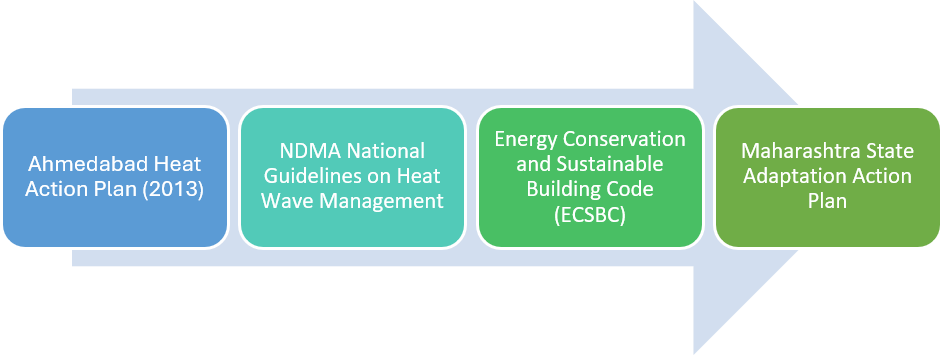
Ahmedabad Heat Action Plan (2013): South Asia's first comprehensive municipal heat action plan, developed following the 2010 heatwave that caused over 1,344[2] excess deaths in Ahmedabad alone. The plan integrated cool roof demonstration projects, public cooling centres, inter-agency early warning systems, and community outreach. The Heat Action Plan (HAP) is credited with averting approximately 1,190[3] heat-related deaths annually, highlighting the effectiveness of a coordinated portfolio of heat-risk management measures implemented at the city level. The Ahmedabad model has since been replicated in Nagpur, Surat, Bhubaneswar, and several other Indian cities under the National Disaster Management Authority (NDMA) framework.
NDMA National Guidelines on Heat Wave Management: The National Disaster Management Authority has issued heat action plan guidelines that provide a federal framework for state and city governments to develop locally calibrated responses. These guidelines explicitly recommend cool roofs and reflective surfaces as passive mitigation measures, providing regulatory legitimacy for municipal adoption programmes.
Energy Conservation and Sustainable Building Code (ECSBC): The Bureau of Energy Efficiency's ECSBC establishes thermal performance requirements for building envelopes, including roof U-value and solar heat gain coefficient (SHGC) limits. The Energy Conservation Building Code (ECBC) applies to commercial buildings with a connected load of 100 kW or more, or a contract demand of 120 kVA or more (BEE, 2017). Building on this framework, the progressive adoption of the Energy Conservation and Sustainable Building Code (ECSBC) by several states provides a regulatory platform that can be leveraged to promote cool roof measures and other passive cooling strategies in affordable residential housing. States including Rajasthan, Maharashtra, and Andhra Pradesh are at varying stages of ECSBC mainstreaming.
Maharashtra State Adaptation Action Plan: Maharashtra, the state within which GreenTree's Nagpur interventions are situated, has incorporated urban heat resilience as a stated adaptation priority. The plan identifies dense urban settlements and EWS communities as primary vulnerable populations and recommends passive cooling infrastructure as a cost-effective adaptation pathway. This creates a direct policy alignment for GreenTree's field programmes and an advocacy entry point for scaling building-level interventions through state-supported housing programmes such as PMAY (Pradhan Mantri Awas Yojana).
Despite this emerging framework, a critical gap persists: thermal comfort performance indicators remain absent from affordable housing scheme mandates. PMAY and state housing board construction standards do not currently require minimum SRI values for roof materials, minimum ventilation area ratios, or thermal comfort verification at handover. Bridging this gap, from policy intent to enforceable construction standards is the central challenge for the next phase of heat resilience governance in India.
8. GreenTree Perspective
The future of climate adaptation lies in combining building-level passive interventions with city-scale policy frameworks, neither approach is sufficient in isolation.
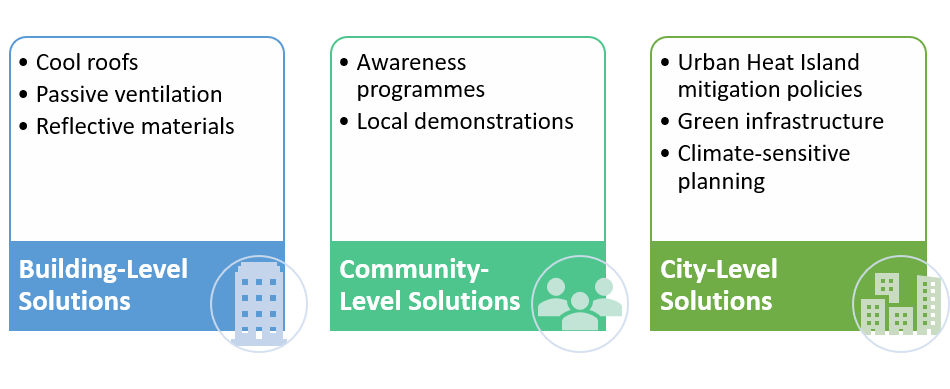
GreenTree's experience from the Nagpur EWS thermal comfort programme demonstrates three principles that should guide this integration.
First, passive solutions are scalable where active solutions are not. Mechanical cooling & air conditioning is inaccessible to the majority of EWS households due to capital cost, electricity tariffs, and infrastructure limitations. Cool roofs, cross-ventilation improvements, and reflective surface treatments deliver meaningful thermal relief at a fraction of the cost and with zero recurring energy expenditure. For a country with over hundreds of million people living in thermally inadequate housing, passive solutions are not a compromise, they are the primary strategy.
Second, field evidence must drive policy revision. India's heat resilience policies are advancing, but they remain largely disconnected from enforceable building standards for the affordable housing sector. The measured outcomes from projects like GreenTree's Nagpur intervention, documented surface temperature reductions, indoor temperature data, and occupant health indicators provide exactly the evidence base that policymakers need to justify mandatory cool roof provisions in housing scheme specifications. Civil society organisations working at the field level have an obligation to translate implementation experience into policy-relevant evidence and advocate actively for its adoption.
Third, thermal comfort must be recognised as a rights issue. Access to a thermally habitable home is not a luxury feature. It is a determinant of health, dignity, and economic agency. Urban planning frameworks, housing finance institutions, and municipal building regulations must begin treating thermal performance as a baseline standard rather than an aspirational one. The communities most exposed to heat risk are consistently those with the least political voice to demand infrastructure improvements. GreenTree's role is to make that case technically, evidentially, and persistently at every level of the policy system.
Conclusion
As India continues to urbanize and temperatures continue to rise, ensuring thermal comfort for vulnerable populations will become increasingly important.
The experience from GreenTree's field interventions demonstrates that affordable and scalable solutions already exist. The challenge now lies in mainstreaming these solutions through policy, planning, and implementation.
Protecting the poorest communities from extreme heat is not only an environmental imperative—it is a social, economic, and public health necessity.
Upcoming Focus Areas
- Cool Roof Demonstration Projects
- Urban Heat Island Mapping Initiatives
- Climate Resilient Affordable Housing
- ECSBC and Thermal Comfort Integration
- State-Level Heat Adaptation Planning
References
Authored by: Anurag Bajpai, Priya Kumari, Tanya Saini, Himanshu Sharma, Bisma Nadeem, Krishna Kumar Singh, Mukesh Kumar


Follow our activities on Twitter | Linkedin | Youtube | Instagram | Facebook